
Election Results and the ITS Industry Pubished by Jason Conley, OmniAir & OCS Executive Director
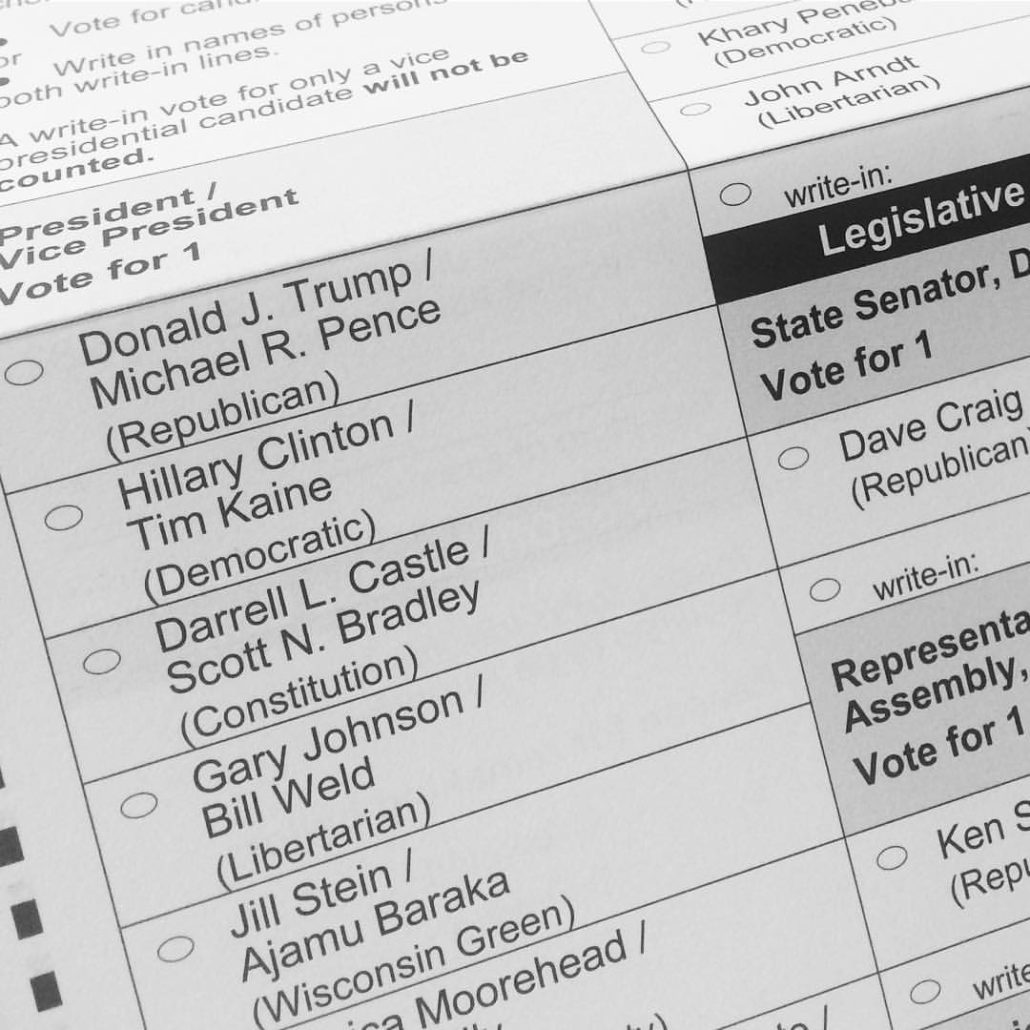
Last night’s election results were historic. The American people have elected a new President, a new Congress, and new leaders at all levels of government.
While results are still coming in, it is clear that Republicans will maintain control of both the House of Representatives and the Senate, and will extend their control of governorships.
I would like to share a few thoughts on what the election results might mean for the intelligent transportation systems (ITS) community generally, and for the OmniAir Consortium specifically.
In recent years, the U.S. Department of Transportation has undertaken significant efforts to advance ITS, from the Smart Cities Initiative, to the Connected Vehicle Pilots. It is reasonable to ask what a new Administration might mean for ITS. For several reasons, I think we will continue to see major advancements in ITS under a Trump Administration.
First, this is an exciting time for transportation technology. Connected and Automated Vehicles, shared mobility applications, and other innovations are disrupting business models of major industries, while improving mobility and efficiency. There is little doubt that automotive OEMs, device manufacturers, and telecommunications carriers will continue to invest in vehicle connectivity and Internet of Things (IoT) solutions for infrastructure.
Second, the President-elect campaigned on plan invest over $1 trillion in modernizing America’s transportation infrastructure–something he reiterated in his victory speech. He is also calling for regulatory streamlining to ensure faster project delivery, and innovative financing mechanisms, to reduce reliance on traditional excise and fuel taxes. This will be welcome news for many transportation stakeholders–both public and private sector.
However, asphalt and concrete alone will be insufficient to build the modern transportation system we need to ensure America’s competitiveness. This will require smart investments–instrumenting vehicles, highways, and transit systems in ways that make our nation’s transportation networks safer and more efficient. Vehicle connectivity and intelligent infrastructure will help to ease traffic congestion, to reduce fatalities on our roads, and to ensure optimal utilization of any new infrastructure capacity.
Additionally, it is unlikely that Congress will rely solely on traditional revenue sources, such as gasoline and excise taxes, to finance our infrastructure. Private investment, public-private partnerships, and tolling authorities will play important roles in any infrastructure expansion. Longer-term, policymakers will look to mileage-based user fees and multi-modal payment applications.
In this new paradigm, the work of OmniAir Consortium will be more important than ever. OmniAir will continue to advocate for performance and interoperability of ITS and tolling technologies.
OmniAir’s leading role in device testing for National Toll Interoperability, and in the USDOT’s Next Generation Connected Vehicle Certification program will continue. OmniAir currently has two member-led working groups laying the groundwork for the rollout of OmniAir’s Connected Vehicle Certification and Accreditation program in 2017.
Finally, in the next few weeks, we will be establishing an Emerging Technologies Working Group to focus on mileage-based user fees and other innovative payment applications.
This is an exciting time for OmniAir and our members. We look forward to working with the new Administration to address our nation’s transportation challenges. I hope you will join us in this effort.
Now, America, let’s roll up our sleeves and get to work.
Jason M. Conley, Executive Director, OmniAir Consortium

